Common Breakfast Menu Terms Explained for First-Time Visitors
Common Breakfast Menu Terms Explained for First-Time Visitors is easier to navigate when you understand the practical trade-offs behind your order. This guide explains breakfast menu terms with realistic comparisons, ordering tips and a simple checklist you can adapt to your own preferences. Restaurant menus and opening hours change, so verify details for the location you plan to visit.
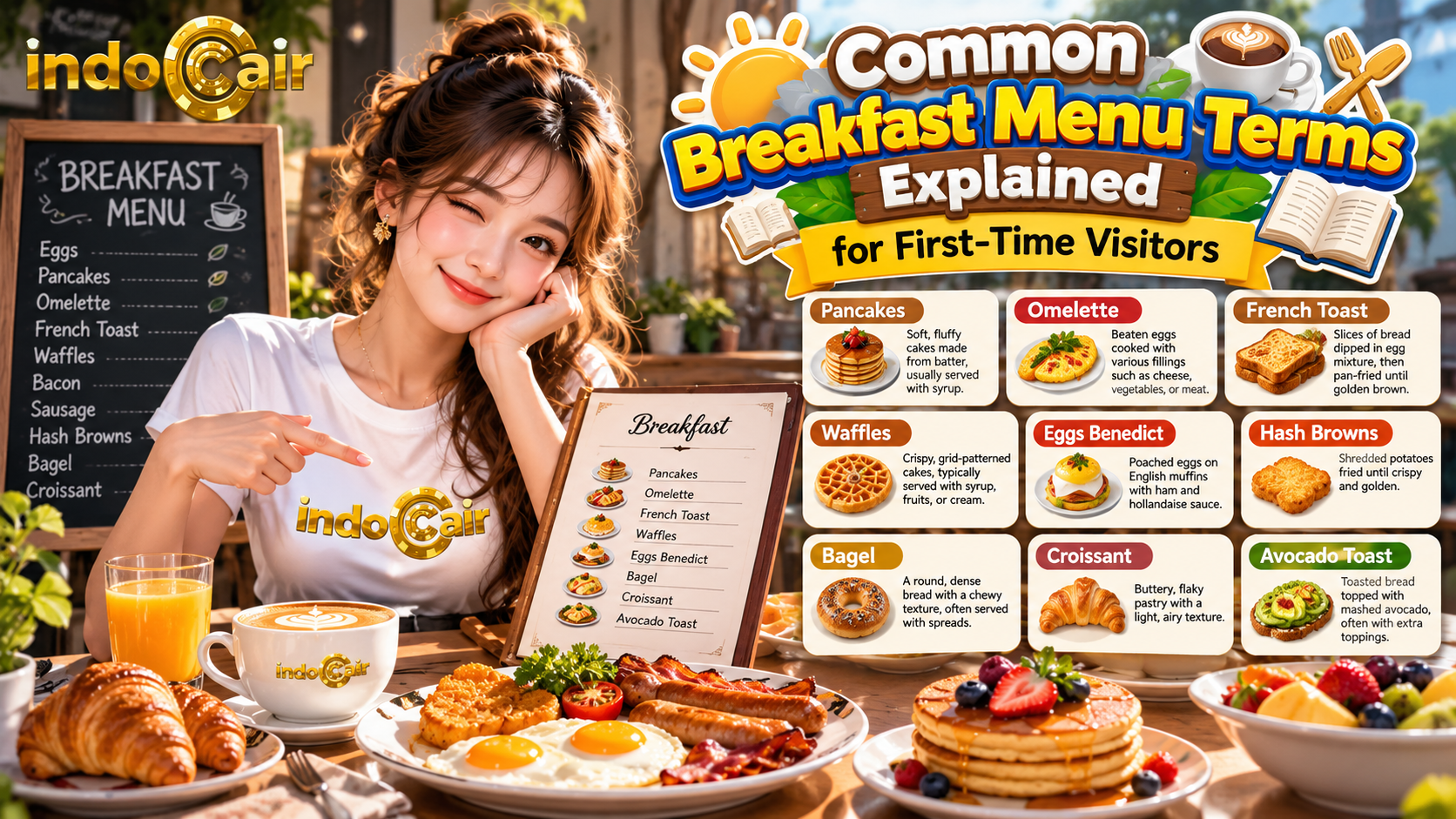
Understand Egg Preparations
An omelet usually means beaten eggs cooked with or around fillings. Scrambled eggs are stirred as they cook; sunny-side-up eggs are fried without flipping. Specific preparation methods can vary, so ask about the result if texture matters.
For example, imagine you are deciding between two options that sound equally good. Ask which details will actually affect your experience: the texture, the included sides, the amount of time available, or the needs of the people joining you. Instead of picking from a photograph alone, use the written description and ask a specific question if anything is unclear. This approach makes the decision more personal and avoids common misunderstandings.
Distinguish Pancakes, Waffles, and French Toast
Pancakes are cooked from batter on a flat surface. Waffles use a patterned iron. French toast generally uses bread soaked in an egg mixture before cooking. The dishes may share toppings, but their textures are different.
For example, imagine you are deciding between two options that sound equally good. Ask which details will actually affect your experience: the texture, the included sides, the amount of time available, or the needs of the people joining you. Instead of picking from a photograph alone, use the written description and ask a specific question if anything is unclear. This approach makes the decision more personal and avoids common misunderstandings.
Know What Sides and Combos Mean
A side is an additional item such as toast or potatoes. A combo or platter commonly includes multiple components. Check what is included and whether substitutions carry a charge; terminology is not identical at every restaurant.
For example, imagine you are deciding between two options that sound equally good. Ask which details will actually affect your experience: the texture, the included sides, the amount of time available, or the needs of the people joining you. Instead of picking from a photograph alone, use the written description and ask a specific question if anything is unclear. This approach makes the decision more personal and avoids common misunderstandings.
Read Menu Modifiers Carefully
Words such as extra, add, substitute, or served with can change both the plate and the final price. Ask what a phrase means rather than guessing. Ingredient lists and allergy information deserve particular attention.
For example, imagine you are deciding between two options that sound equally good. Ask which details will actually affect your experience: the texture, the included sides, the amount of time available, or the needs of the people joining you. Instead of picking from a photograph alone, use the written description and ask a specific question if anything is unclear. This approach makes the decision more personal and avoids common misunderstandings.
Quick Comparison Before Ordering
| Question | What to check | Why it helps |
|---|---|---|
| What is included? | Main dish, sides, sauces and drinks | Avoids surprise extras |
| What can change? | Ingredient swaps and topping choices | Fits your preferences |
| How long will it take? | Opening hours and group schedule | Reduces rushing |
| Any dietary concerns? | Ingredients and preparation process | Supports safer choices |
Five-Step Ordering Checklist
- Check the cafe location and its current opening hours.
- Look at the full menu description, including any included sides.
- Compare at least two options based on flavors and textures you enjoy.
- Ask about substitutions, extra charges, and allergens when relevant.
- Choose a meal that fits your appetite and the time available.
These steps are deliberately flexible. Someone visiting alone may prioritize a quiet seat and a quick order, while a family may care more about menu variety and the time needed to settle everyone. The best choice is the one that meets your needs, not the largest platter or the most elaborate toppings.
Common Mistakes to Avoid
Assuming all cafes serve identical meals
Availability, ingredients, service practices and prices can vary. Even an established menu guide may not reflect a particular location’s current stock, so double-check anything essential before traveling.
Choosing only by the photograph
Photos are useful for inspiration but not an exact guarantee of portion size or presentation. Read the item description and included sides to understand what you are ordering.
Ignoring the needs of companions
Different people may want different portion sizes, textures or dietary accommodations. Ask in advance rather than expecting everyone to order the same dish.
Explore Related Breakfast Guides
If you want more ideas, compare the breakfast menu guide, browse the breakfast side orders, and consider the breakfast beverages. These related pages can help you connect the main dish with sides and drinks without guessing what a specific cafe currently serves.
Frequently Asked Questions
How can I choose when several dishes sound appealing?
Start with your preferred flavor and texture, then compare portions and included sides. You do not need a complicated rule: an option you genuinely enjoy is usually the best starting point.
Can I request substitutions or toppings on the side?
You can ask, but availability and additional charges depend on the restaurant. Confirm with staff before placing your order.
How do I handle food allergies?
Tell the restaurant directly about the allergy. Ask about ingredients and potential cross-contact. No general menu article can guarantee a dish is allergen-free.
Should I rely on online opening hours?
Use online information for planning, then confirm with the location when timing is important. Holiday hours and operational changes may affect service.
Final Takeaway
Good breakfast planning is about matching the meal to the moment. Consider your appetite, the people joining you, your schedule, and any dietary requirements. Use the menu as a starting point, ask specific questions, and stay open to a different choice if an item is unavailable. With those simple habits, ordering becomes less confusing and the visit can feel more enjoyable.